Energy efficiency is no longer just about lowering utility bills—it's about creating a home that's comfortable, resilient, and cost-effective to live in over time. Small improvements can reduce wasted energy, while larger upgrades can reshape how a home performs for decades. Spring is a natural moment to take stock of how a house is working and make improvements before extreme temperatures arrive.
The good news is that energy-efficient upgrades don't have to be complicated or rushed. Whether you plan to stay in your home for years or simply want it to function better day to day, the right changes can deliver savings and comfort year-round.
Seal Air Leaks and Improve Insulation
One of the most effective ways to reduce energy waste is also one of the simplest: keeping indoor air where it belongs. Gaps around windows, doors, and attic openings allow heated or cooled air to escape, forcing HVAC systems to work harder.
Start by checking for drafts around exterior doors, window frames, and where walls meet floors or ceilings. Caulking cracks and adding weatherstripping are affordable DIY tasks that can noticeably improve comfort. Don't overlook ductwork—leaky ducts in attics or crawlspaces can waste a surprising amount of energy.
Insulation works hand in hand with air sealing. Homes with under-insulated attics or walls tend to lose heat in winter and absorb it in summer. Improving insulation helps stabilize indoor temperatures and reduces reliance on heating and cooling systems. Even modest upgrades can lead to steady savings and fewer temperature swings throughout the house.
Upgrade or Tune Up Heating and Cooling Systems
Heating and cooling account for a large portion of household energy use. If your system is older, upgrading to a high-efficiency model – such as a modern heat pump – can significantly reduce energy consumption while improving comfort. Today's heat pumps can efficiently heat and cool homes in a wide range of climates, often replacing both furnaces and air conditioners.
If replacement isn't practical right now, regular maintenance still matters. Changing air filters, cleaning vents, and scheduling a professional tune-up can help your system run more efficiently and extend its lifespan. A well-maintained system uses less energy, performs more consistently, and is less likely to fail during peak seasons.
Install a Smart or Programmable Thermostat
A thermostat upgrade is one of the easiest ways to improve efficiency without sacrificing comfort. Smart and programmable thermostats automatically adjust temperatures based on schedules, occupancy, or usage patterns.
Lowering heating or cooling when you're asleep or away reduces unnecessary energy use. Over time, these adjustments can lead to meaningful savings while keeping your home comfortable when it matters most. Many smart thermostats also provide insights into energy use, helping homeowners make informed decisions without constant monitoring.
Improve Window and Door Performance
Windows and doors are common sources of heat loss and gain. Replacing older single-pane windows with modern, energy-efficient models can significantly improve insulation and indoor comfort. These windows are designed to reduce heat transfer while allowing natural light in.
For homeowners not ready for full replacements, smaller improvements still help. Sealing gaps, adding storm windows or doors, and installing door sweeps can reduce drafts and prevent outdoor air from creeping inside. These fixes are especially effective when paired with insulation and air sealing efforts.
Optimize Water Heating Efficiency
Water heating is another major energy expense in many homes. A simple first step is adjusting the water heater temperature to around 120 degrees Fahrenheit, which is sufficient for most households and reduces unnecessary energy use.
Insulating older water heater tanks and exposed hot water pipes can also reduce heat loss. If replacement is on the table, high-efficiency or heat pump water heaters use far less energy than traditional models and provide consistent performance over time. Even small improvements in this area can produce steady savings year after year.
Upgrade Lighting and Appliances
Switching to LED lighting is one of the fastest and most cost-effective energy upgrades available. LEDs use far less electricity than traditional bulbs and last significantly longer, reducing both energy use and maintenance.
Appliance upgrades can also make a difference, especially if you're replacing older models. Energy-efficient refrigerators, washers, and dishwashers are designed to use less power and water without sacrificing performance. While the upfront cost may be higher, the long-term savings and improved functionality often justify the investment.
Use Landscaping to Support Efficiency
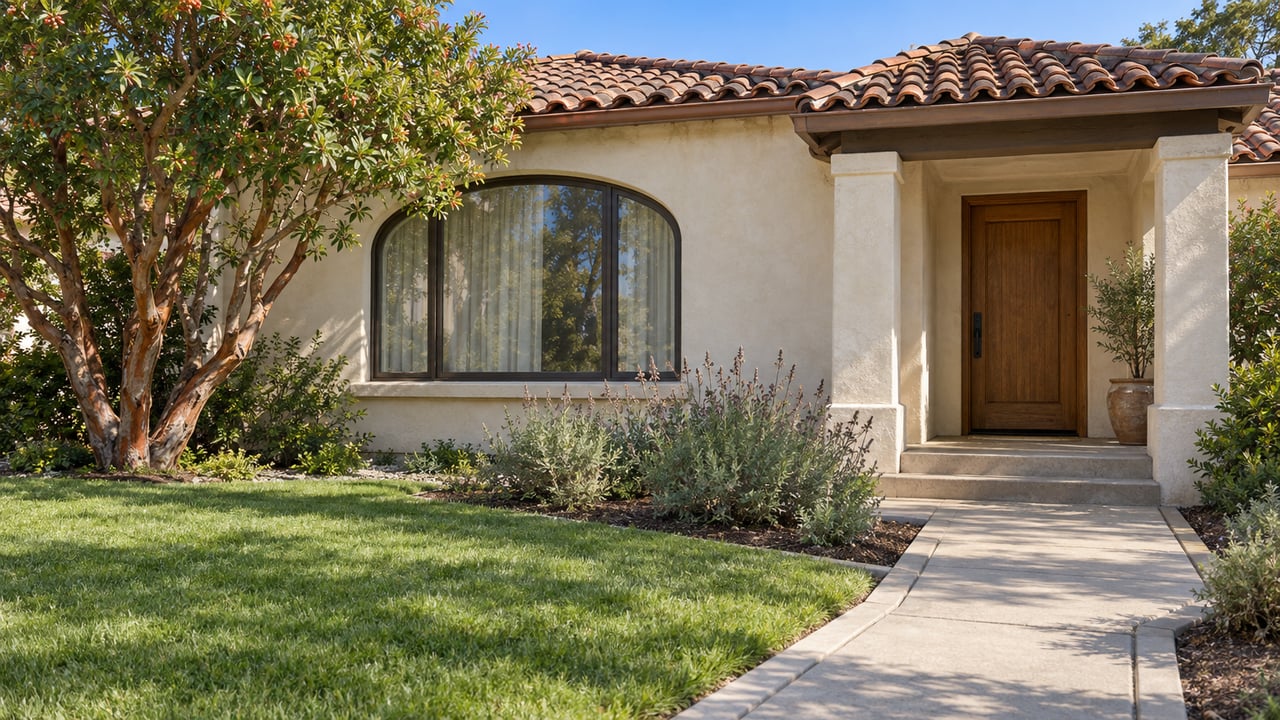
The outdoor environment around a home plays a role in energy performance. Strategically planted trees can provide shade during hot months while allowing sunlight through in winter after leaves fall. This natural temperature control reduces cooling demand and improves indoor comfort.
Evergreens or dense shrubs can also act as windbreaks, limiting cold winter gusts that increase heat loss. Over time, thoughtful landscaping creates a more stable microclimate around the home, offering both energy savings and visual appeal.
A home that uses energy wisely isn't just more affordable—it's more comfortable, more durable, and better suited to everyday life.