Real estate investing has helped many people build long-term wealth, create steady income, and gain more control over their financial future. Still, buying your first investment property can feel intimidating. Questions about money, property choices, and landlord responsibilities often cause people to hesitate.
The truth is, you don't need perfect timing or expert-level knowledge to get started. What you do need is a clear understanding of how residential real estate investing works, what to look for in a first property, and how to manage it responsibly over time. This guide breaks down those fundamentals in plain language, helping you approach your first investment with confidence and perspective.
Why Residential Real Estate Appeals to Long-Term Investors
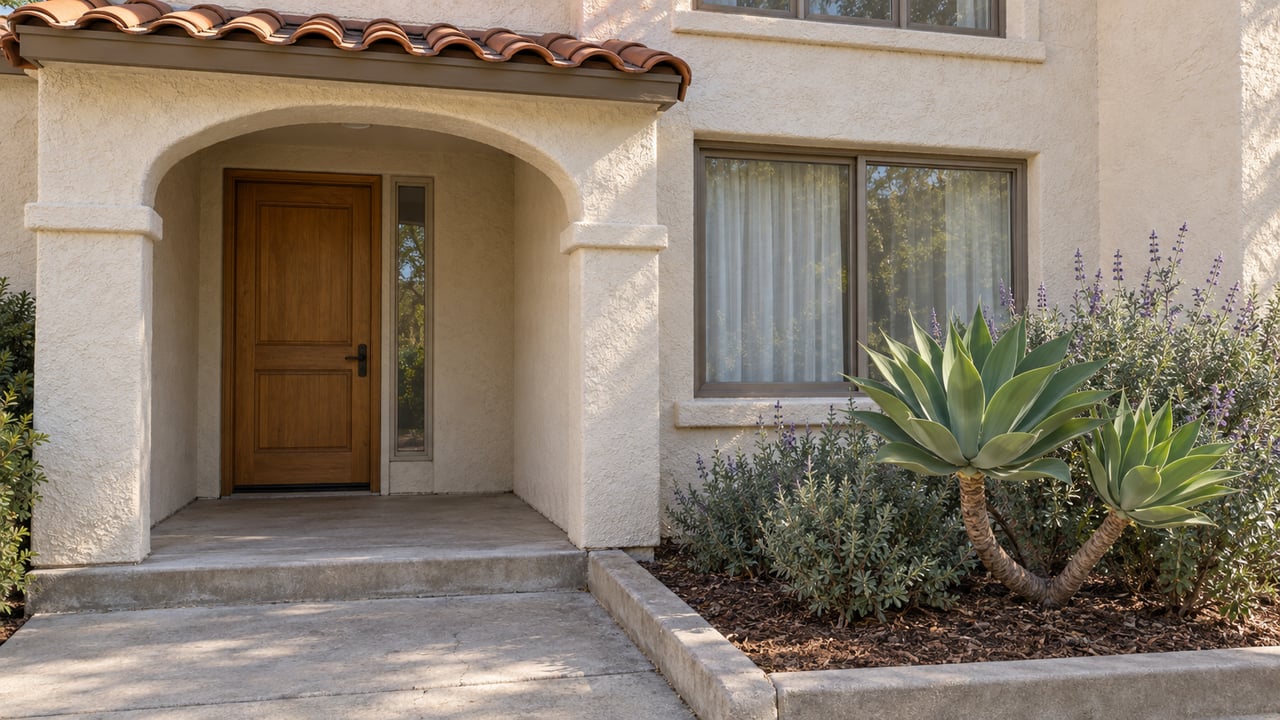
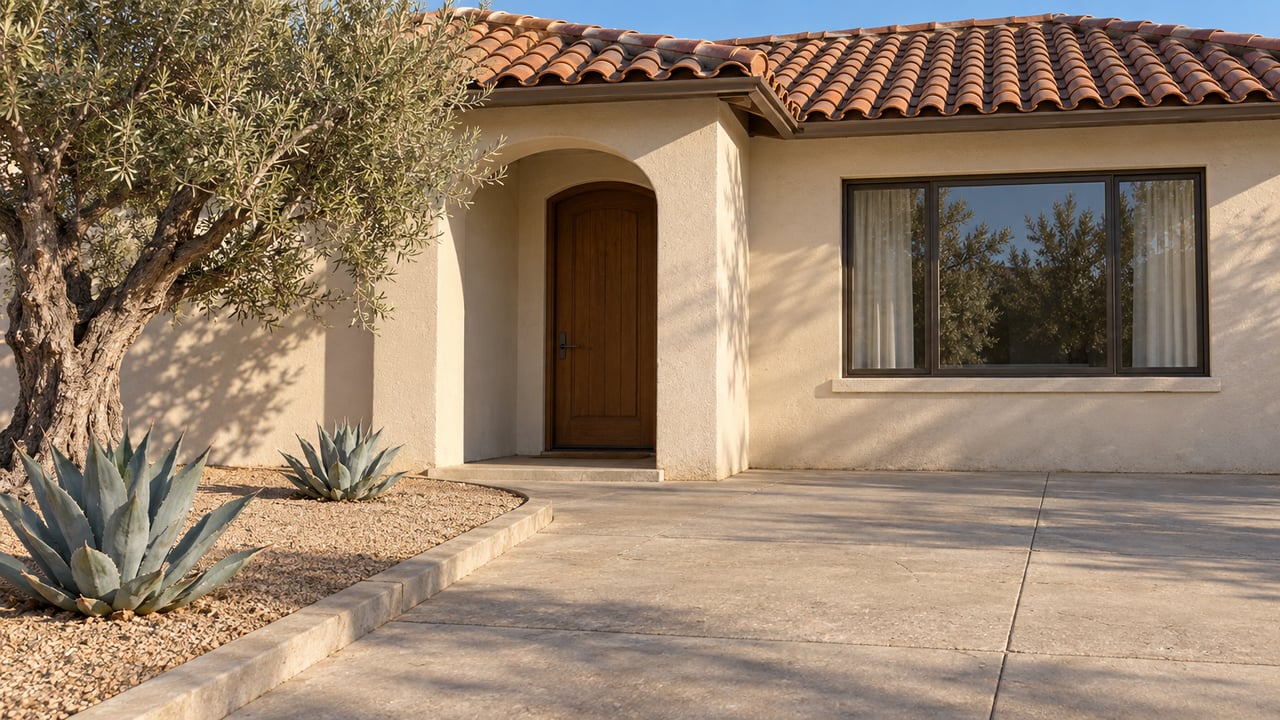
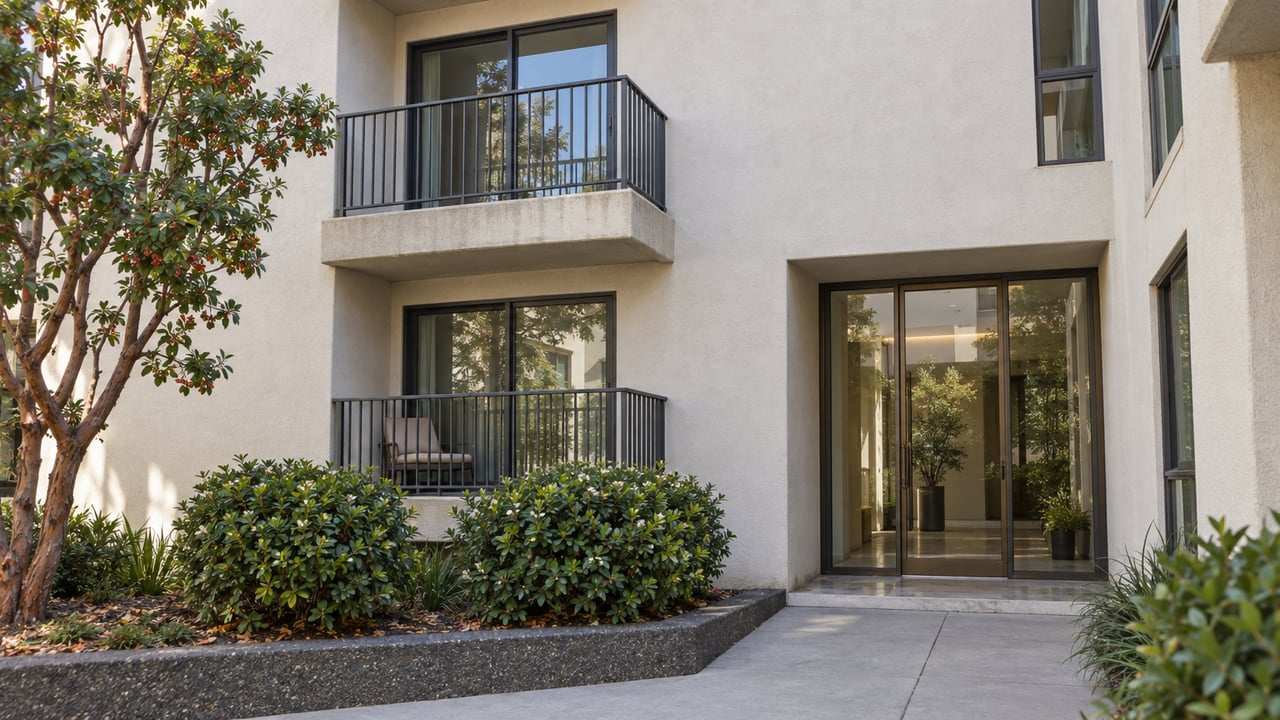
Residential real estate – such as single-family homes, condos, and small multifamily properties – offers a combination of stability and flexibility that appeals to many first-time investors.
One of the biggest benefits is ongoing rental income. When a property is well chosen and properly managed, rent payments can help cover expenses like the mortgage, taxes, insurance, and maintenance, with the potential for surplus cash flow.
Residential properties may also increase in value over time, building equity as the loan balance goes down and the property appreciates. In addition, real estate allows investors to use leverage, meaning you control a valuable asset without paying the full price up front.
That said, real estate is not passive by default. Properties require upkeep, tenants require communication, and selling a property takes time. Understanding both the benefits and responsibilities up front helps ensure real estate fits your long-term goals and lifestyle.
Laying the Groundwork Before You Buy
Before searching for properties, it's important to prepare both financially and mentally.
Start by reviewing your personal financial stability. A healthy emergency fund and manageable personal debt can make the difference between a stressful investment and a sustainable one. Rental properties should support your finances, not strain them.
You'll also want to plan for a down payment and reserves. Investment properties typically require larger down payments than primary residences, often around 20 percent. Lenders may also want to see cash reserves available to cover expenses during vacancies or repairs.
Equally important is mindset. Owning a rental property means taking responsibility for a physical asset and the people living in it. Even if you hire help, you are ultimately accountable for decisions, costs, and outcomes. Viewing the property as a long-term investment rather than a quick win can help you make calmer, more thoughtful choices.
Choosing the Right Market and Property Type
Where and what you buy matters just as much as how much you pay.
Many first-time investors begin close to home, where they understand neighborhoods, rental demand, and local regulations. If investing locally isn't practical, look for areas with steady employment, population stability, and consistent demand for rentals.
When it comes to property type, simplicity is often your friend. Single-family homes are straightforward to manage and tend to attract long-term tenants. Small multifamily properties, such as duplexes, can offer higher total rent and reduce vacancy risk, but they come with added management responsibilities.
For a first property, many investors choose a home that is rent-ready rather than one needing major renovations. Extensive repairs can introduce unexpected costs and delays, which can be especially challenging for beginners.
Evaluating a Potential Investment Property
Once you find a property that fits your criteria, the next step is evaluating whether it works financially.
Start by estimating realistic rental income. Look at comparable rentals nearby and be conservative. Overestimating rent is one of the most common mistakes new investors make.
Next, list all ongoing expenses, including:
- Mortgage payments
- Property taxes and insurance
- Maintenance and repairs
- Vacancy periods
- Property management, if applicable
After expenses, ask whether the property is likely to produce positive cash flow, even if modest. A smaller profit that is reliable and sustainable is often better than a deal that only works on paper.
A professional inspection is also critical. Understanding the condition of the roof, plumbing, electrical systems, and major appliances can help you avoid unpleasant surprises and better plan future costs.
Finally, consider the long-term exit. Even if you plan to hold the property for many years, it's wise to choose a home that would be appealing to future buyers as well as renters.
Financing Your First Investment Property
Financing an investment property is similar to buying a primary home, with a few key differences.
Most residential investment loans require higher down payments and stronger financial documentation. Lenders will look closely at your credit, income stability, and existing debt.
Getting pre-approved before shopping can clarify your budget and strengthen your position when making an offer. It also helps ensure you're evaluating properties within a realistic price range.
In addition to the down payment, plan for closing costs and any up front repairs or improvements. Keeping extra funds available after closing can help you handle early expenses without stress.
Managing Your Property as an Investor
After purchase, the focus shifts to management. How you handle this phase has a major impact on your experience and returns.
Finding reliable tenants is one of the most important steps. Careful screening – including background checks, income verification, and references – helps reduce the risk of missed rent or property damage.
A clear, well-written lease agreement sets expectations for both parties. It should outline rent terms, maintenance responsibilities, and rules around the property.
You'll also need to decide whether to self-manage or hire a property manager. Managing the property yourself can save money and help you learn quickly. Hiring a professional can reduce day-to-day involvement, especially if the property is far away or your schedule is limited.
Regardless of who manages the property, staying proactive with maintenance protects the home's value and supports tenant satisfaction. Addressing small issues early often prevents larger, more expensive problems later.
Finally, keep financial records organized. Separate accounts for rental income and expenses make tracking performance easier and simplify tax reporting.
A Confident First Step Forward
Your first real estate investment doesn't need to be perfect—it needs to be thoughtful. By focusing on sound fundamentals, realistic numbers, and long-term ownership, you give yourself room to learn and grow.
Residential real estate investing is a gradual process. Over time, experience compounds just like equity. Each decision teaches you something new, and each property can build on the last.
With patience, preparation, and a clear understanding of your role as an investor, your first property can become a strong foundation for future opportunities—one steady step at a time.
The information provided in this blog is for general informational purposes only and is not intended as tax, legal, or financial advice. We are not tax professionals. Readers should consult their own tax advisor or accountant for guidance specific to their circumstances.