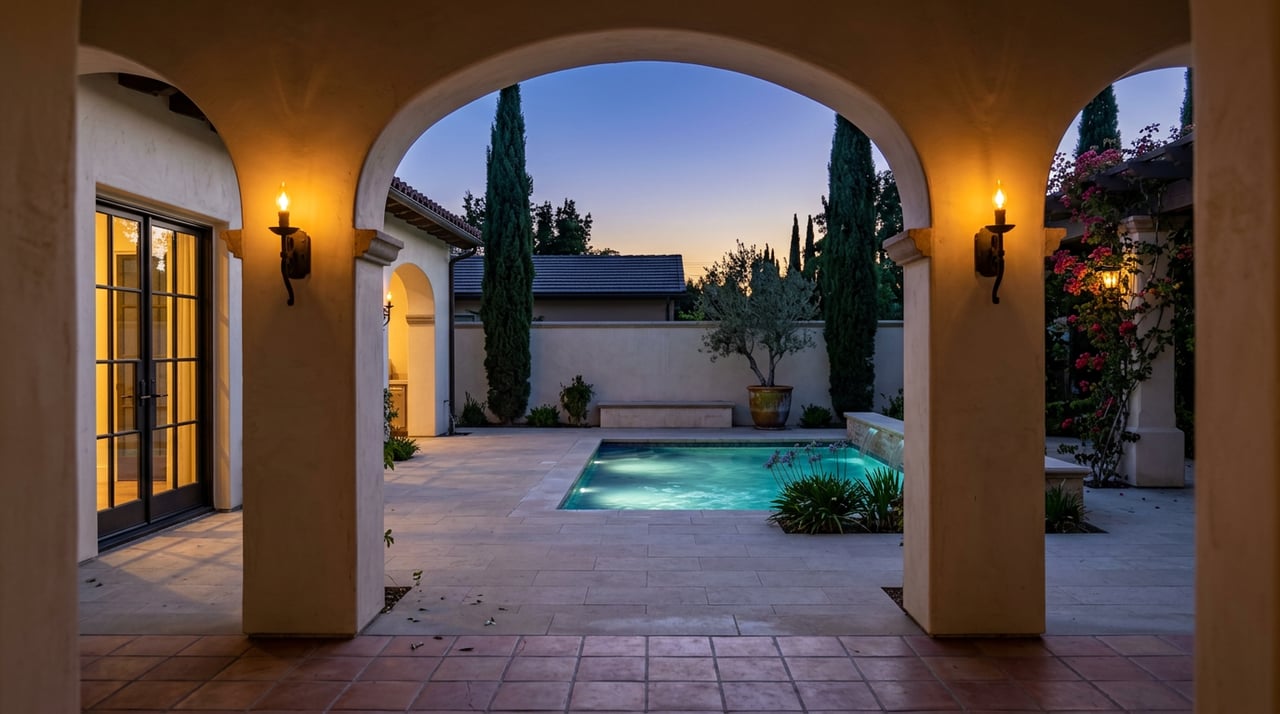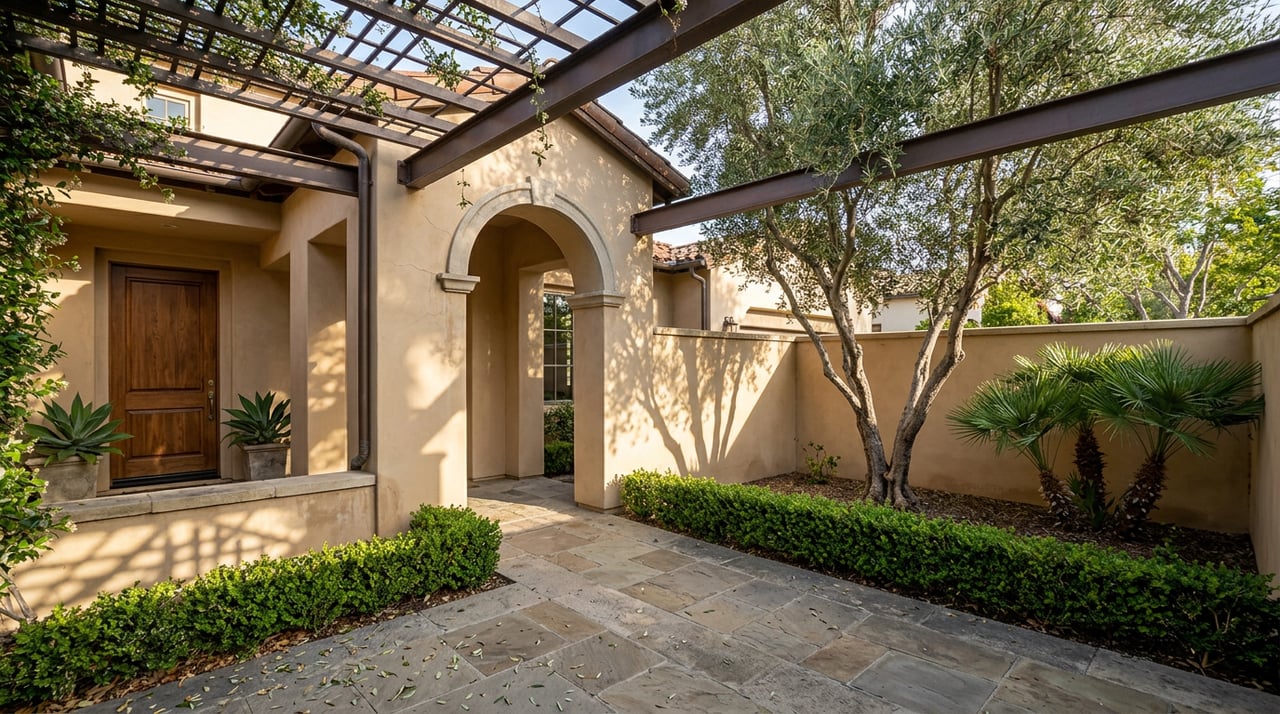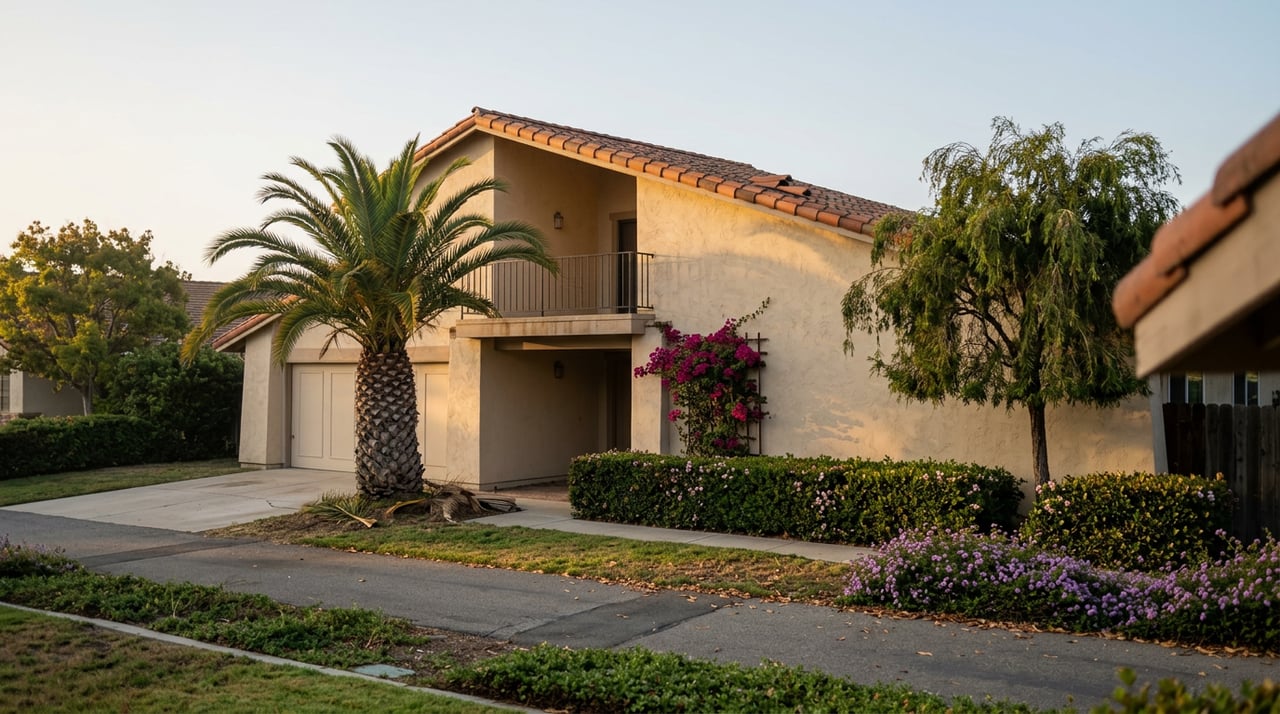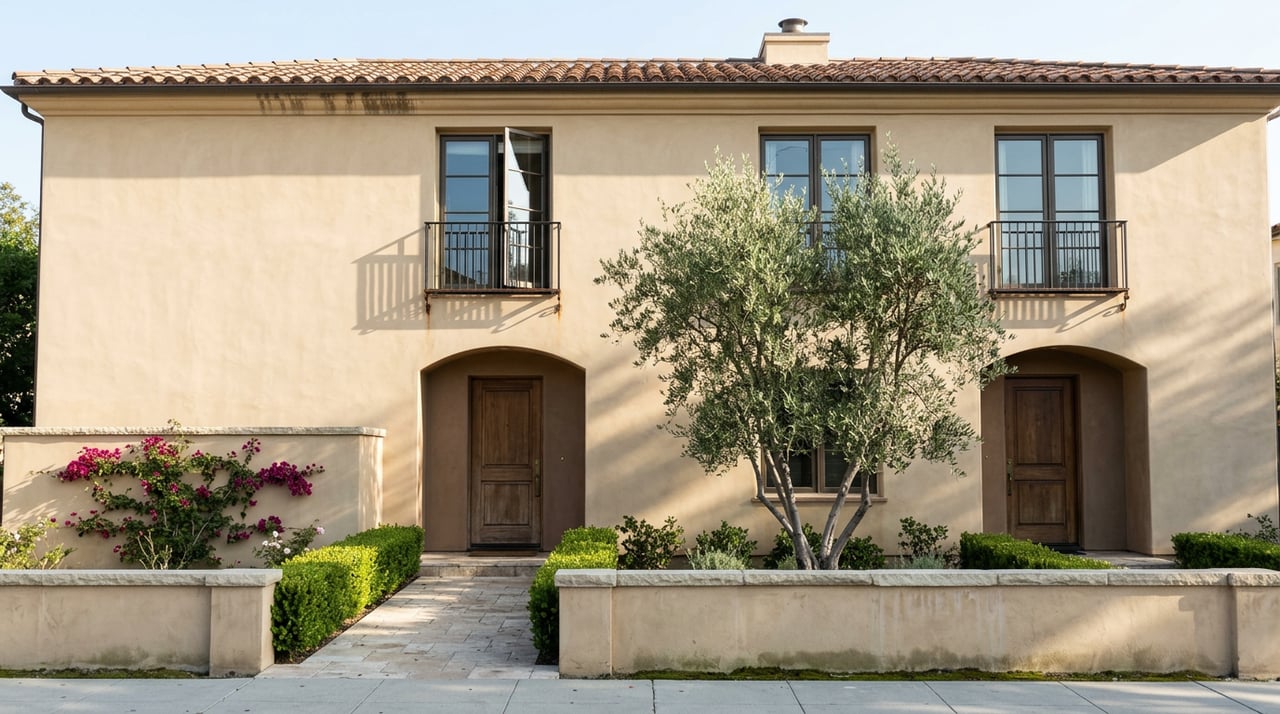
Picture two duplexes listed the same week, both built in the early 1970s, both asking close to the same price per unit, both a fifteen-minute drive from downtown. An investor runs the same pro forma on each: same rehab budget, same target tenant, same assumed rent growth. On paper they are twins.
They are not. One of those buildings can legally raise in-place rent by 3% a year. The other is capped closer to 1.9%. Neither number has anything to do with the neighborhood's reputation, the school district, or what a listing agent calls the submarket. It comes down to a line on a map that most buyers never think to check before they write an offer: whether the parcel sits inside an incorporated city or in unincorporated Los Angeles County.
That line, not the median price, is the number that should drive how an investor underwrites small multifamily property here. Los Angeles County runs three overlapping layers of rent regulation at once, and which layer actually governs a given building depends on the exact address and the exact date a certificate of occupancy was issued, not on how the neighborhood is marketed.
The Three Layers Stacked on Every Parcel
Every rental unit in Los Angeles County is touched by at least one of three rules, and sometimes all three apply before the strictest one wins out.
The floor is the state's Tenant Protection Act, known as AB 1482. It caps annual increases at 5% plus the regional Consumer Price Index, with a hard ceiling of 10%. For the Los Angeles-Long Beach-Anaheim CPI region, that works out to 8.7% for any increase taking effect between August 1, 2026 and July 31, 2027, up from 8.0% the year before. It's a backstop. It applies unless a stricter local law takes over.
Inside the City of Los Angeles, older buildings fall under the city's own Rent Stabilization Ordinance, which is flatter and lower: a straight 3% annual cap running from July 1, 2025 through June 30, 2027 for units first occupied on or before October 1, 1978. The city also just simplified the math. As of February 2, 2026, the old 1% add-ons for gas and electric utilities and the 10% bump for an added dependent are both gone. It's 3%, full stop, for RSO-covered units.
Step outside the city into unincorporated county territory, communities like East Los Angeles, Ladera Heights, West Athens, or Altadena, and a third rule applies. The county's Rent Stabilization and Tenant Protections Ordinance covers rental buildings with a certificate of occupancy issued before February 1, 1995, and for the period through June 30, 2027 the maximum increase for most fully covered units is roughly 1.9%, with slightly higher bands for self-certified small property landlords and for luxury units.
Here's what that means in practice for the duplex example above. If the first building sits inside the LA city boundary and was occupied before October 1978, its ceiling is 3%. If the second sits a few blocks away in unincorporated county land and cleared occupancy before February 1995, its ceiling is closer to 1.9%. Same era, same asset class, same buyer profile, and the legal growth rate on rent income is nearly double in one case.
Some cities layer on rules stricter than either of those. Santa Monica's Rent Control Board set its 2026 general adjustment at 2.6%, capped at $70 a month for units already at higher rents, effective for the year beginning September 1, 2026. West Hollywood's rent stabilization division announced a 2.75% adjustment for the same period, and the city has written a permanent 3% ceiling into its ordinance, meaning tenants there will never see a state-style 8% jump no matter what CPI does. Long Beach, by contrast, has no local rent-increase ordinance at all. It repealed a prior relocation rule once AB 1482 took effect statewide, so a covered Long Beach building runs on the full 8.7% state cap, layered with the city's separate Just Cause Eviction Ordinance for tenant protections.
Here's how the 2026 to 2027 caps line up for a covered multifamily unit, depending on where the parcel sits:
| Jurisdiction | Cap for 2026-2027 | Coverage cutoff |
|---|---|---|
| City of LA, Rent Stabilization Ordinance | 3.0% flat | Occupied on or before Oct. 1, 1978 |
| Unincorporated LA County, RSTPO | ~1.9% (general) | Certificate of occupancy before Feb. 1, 1995 |
| West Hollywood | 2.75%, permanent 3% ceiling | Set by city ordinance |
| Santa Monica | 2.6%, capped at $70/month | Occupied before Apr. 10, 1979 |
| Long Beach | No local cap, follows state | No local rent ordinance |
| Statewide backstop, AB 1482 | 8.7% (LA/Orange County region) | Buildings 15+ years old, not otherwise covered |
The Twist Even Investors Miss: It's Not Only the Map
The jurisdiction line is the first surprise. The second is that in at least one LA County city, the rule doesn't even track consistently by address. It tracks by how many units are in the building.
Inglewood's Housing Protection Ordinance ties the cap to building size instead of treating every rental property the same. A property with five or more units is capped at whichever is greater between 3% and the change in the local cost of living. A property with four units or fewer, the exact size range most small investors are shopping in, is instead capped at 5% plus that same cost-of-living figure, up to a 10% ceiling. Because the two formulas diverge, the smaller building's legal ceiling regularly runs well above double the larger building's in the same cycle. Two Inglewood properties on the same street, one a fourplex and one a five-unit building, can end up with meaningfully different rent ceilings purely because of unit count.
That detail matters for underwriting because it cuts against the instinct to treat "small building, less regulated" as a safe assumption everywhere. In Inglewood it's true. In unincorporated county territory or inside LA city limits, building size doesn't move the number at all. Only the jurisdiction and the occupancy date do.
The Certificate of Occupancy Matters More Than the Street Name
There's a second layer to this that catches buyers even when they've correctly identified the city. Every local ordinance and the state law itself draw a line based on when a building first opened for occupancy, and that line can split a single block in half.
AB 1482 exempts buildings younger than 15 years, on a rolling basis, so as of 2026 that's roughly anything with a certificate of occupancy issued after 2011. The City of LA's RSO only reaches buildings occupied on or before October 1, 1978. The county's RSTPO stops at February 1, 1995. That means a fourplex built in 2015 inside LA city limits isn't RSO-covered at all. It runs on the state's 8.7% cap. A duplex built in 1968 two doors down is RSO-covered at the flat 3%. The street name is identical. The legal ceiling on rent growth is not.
Before You Write an Offer
A few checks belong in the due diligence file before an offer goes in on any two-to-four unit property in LA County:
- Confirm incorporated versus unincorporated status for the exact parcel, not the mailing address. A "Los Angeles" mailing address doesn't prove the property is inside city limits.
- Pull the certificate of occupancy date. This single fact routes the building to one of three very different rent-growth ceilings.
- Ask for the current rent roll and check it against the applicable cap's lookback rules, since some ordinances calculate the allowed increase off the lowest rent charged in the past 12 months, not the current rent.
- If the building is in a city with its own ordinance, check the current registration and self-certification status with that city's rent program before assuming any given percentage applies.
- Watch for legal exposure baked into the rent history. A California Court of Appeal ruling issued April 15, 2026 (Apartment Assn. of L.A. County v. City of L.A., B336071) found that Los Angeles cannot tie relocation fees to otherwise lawful rent increases on certain Costa-Hawkins-exempt units, a reminder that this area of law keeps shifting and a seller's past rent increases are worth a second look, not just a first glance.
None of this shows up in a listing description. It shows up in a rent registry, a city ordinance page, or a parcel lookup, and it changes the actual cash flow story more than almost anything else in the pro forma.
A Few Direct Questions
Does the rent ceiling reset when a tenant moves out? Under both the local ordinances and AB 1482, an owner can generally reset rent to market rate for a new tenant once the unit is vacant. The annual caps described above govern increases for a sitting tenant, not the starting rent offered to someone new.
Are single-family homes and condos covered by any of this? Most are exempt from local rent control under state law, and often exempt from AB 1482 as well, though a corporate or LLC owner can lose that exemption, and even an otherwise exempt owner has to serve a specific written notice to claim it. Skipping that notice can leave the unit treated as covered.
How do I actually confirm which rule applies before I make an offer? For City of LA properties, the city's ZIMAS lookup tool shows RSO status by address. For unincorporated county land, the county's district map lookup confirms incorporated versus unincorporated status, and each city with its own ordinance, Santa Monica and West Hollywood included, publishes a registry or address checker on its own rent stabilization program page.
Buying small multifamily property in Los Angeles County rewards the buyer who checks the parcel, not just the price. At Key Connections Real Estate, we walk investors through exactly this kind of jurisdiction and occupancy-date review before an offer goes in, so the rent growth in your pro forma matches the rent growth the law will actually let you collect. If you're comparing duplexes, triplexes, or fourplexes across LA County submarkets, book an appointment and we'll help you read the fine print before you write the check.