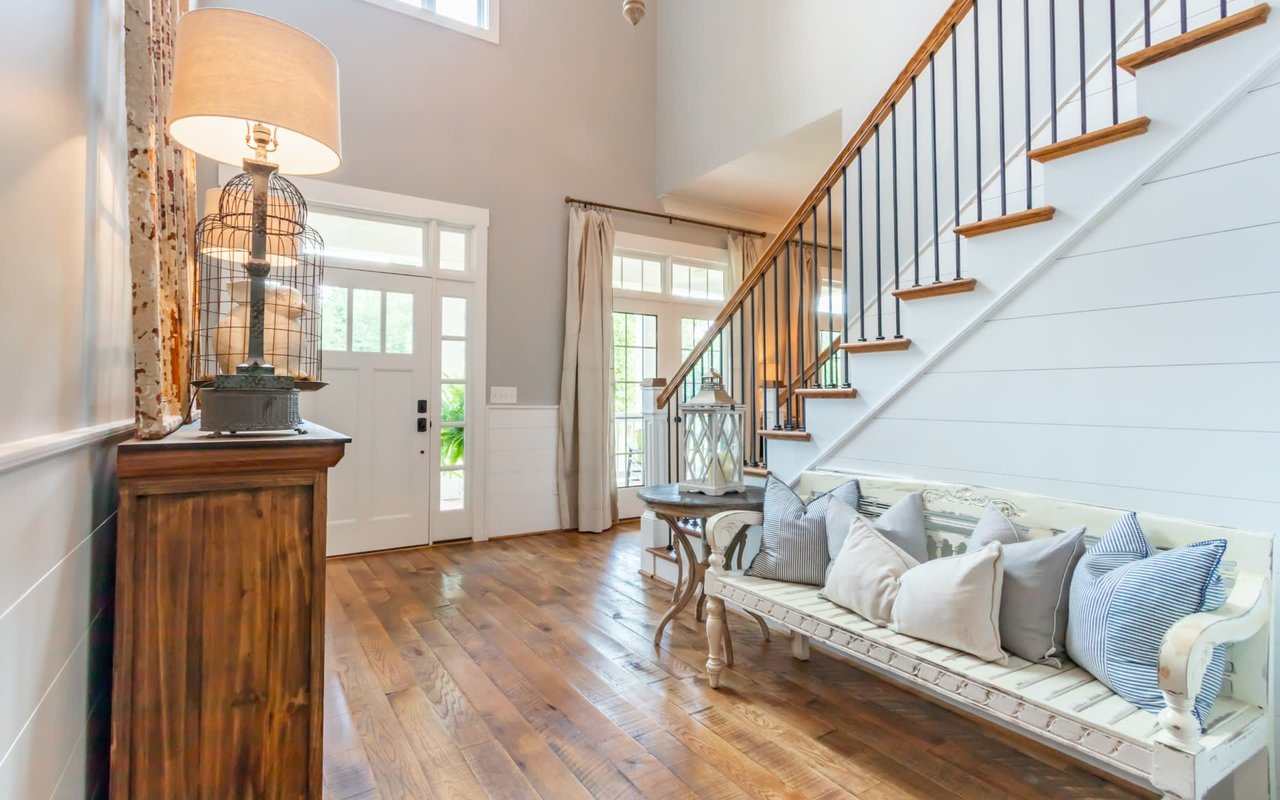
A freshly painted kitchen looks great in listing photos. But it won't fix a bedroom that never cools down, a bathroom that stays damp after every shower, or a living room that's drafty no matter how high you set the thermostat.
For homeowners in South Bay San Diego — where summer heat in Chula Vista and Otay Ranch can push indoor temperatures well above comfortable, and where coastal humidity in Imperial Beach and National City can affect air quality and moisture levels year-round — comfort upgrades aren't a luxury. They're a core part of what makes a home genuinely livable.
Whether you've just closed on your first home or you're thinking about improvements before listing, here's why prioritizing function over fashion tends to deliver more lasting value.
Comfort Is About More Than Temperature
When people describe a home as comfortable, they rarely mean just warm in winter and cool in summer. They mean consistent temperatures from room to room, air that feels clean and fresh, moisture levels that don't feel clammy or dry, and spaces that are easy to move through and use.
Research consistently shows that Americans spend roughly 90% of their time indoors — and that indoor air pollutants can be present at levels two to five times higher than typical outdoor concentrations. Insulation, air sealing, proper ventilation, and moisture control all directly affect not just energy efficiency, but the health and daily comfort of everyone in the home.
Comfort is not a luxury feature. It is a core part of how a home functions — and how much you'll actually enjoy living in it.
In South Bay, where many homes were built in the 1960s through 1990s with older insulation standards, this matters more than buyers sometimes expect. A home that looks updated on the surface may still have significant gaps in comfort and efficiency underneath.
The Most Valuable Improvements Are Often the Ones You Can't See
This is one of the most important — and counterintuitive — truths about home improvement: the upgrades with the biggest impact on daily life are usually invisible.
No one walks into an open house and notices attic insulation. Nobody photographs new weatherstripping for their Instagram. But these improvements affect how the home feels every single day.
High-Impact Invisible Upgrades
• Air sealing and weatherstripping — reduces drafts and temperature inconsistencies between rooms
• Attic and wall insulation — especially important in Chula Vista and Otay Ranch, where summer temperatures can make upper floors significantly hotter than lower ones
• HVAC maintenance and upgrades — the single biggest driver of indoor temperature consistency
• Kitchen and bathroom ventilation — removes excess moisture and odors, preventing long-term damage
• Window upgrades or sealing — reduces heat gain in South Bay summers and heat loss on cooler winter nights
Paint can make a room look refreshed. It will not fix a cold bedroom, a damp bathroom, or a utility bill that spikes every August. Comfort upgrades solve the underlying problem — cosmetic upgrades cover it up.
Health and Comfort Are More Connected Than Most People Realize
A comfortable home is frequently a healthier home, and the overlap between the two is larger than most homeowners expect.
Moisture and Mold
Moisture control is one of the most important — and most overlooked — aspects of home maintenance. Water-damaged areas left unaddressed for more than 24 to 48 hours can develop mold, which affects both the structure of the home and the health of its occupants. In coastal South Bay communities like Imperial Beach, where ocean air and morning fog can introduce significant moisture, proper bathroom ventilation and regular inspection of crawl spaces and attics is especially important
Air Quality
Upgrading air filters, improving ventilation, and fixing leaks that allow outdoor air to enter unfiltered all contribute to cleaner indoor air. For families with children, older adults, or anyone with respiratory sensitivities, these improvements can make a meaningful difference in day-to-day health.
Radon
Testing for radon is a simple and inexpensive step that many homeowners skip. If elevated levels are found, mitigation systems are relatively affordable and highly effective. It's the kind of improvement that doesn't show up in a listing description — but matters significantly for long-term health.
Many of the most effective comfort improvements sound unremarkable: fixing a leak, venting a bathroom fan outdoors, upgrading an air filter. Yet these improvements can make a home feel cleaner, safer, and more stable every single day.
Function Lasts. Fashion Changes.
Style matters — no one is arguing otherwise. But style is personal, and it changes. The cabinet color that felt timeless in 2018 looks dated today. The backsplash that won awards in design magazines five years ago is already being replaced.
By contrast, improvements that make a home quieter, drier, safer, and easier to heat and cool tend to hold their value over time — regardless of what's trending in kitchen design or bathroom tile.
Research from major remodeling surveys consistently shows that homeowners and buyers rank functionality and livability above aesthetics as the most important outcomes of home improvement projects. Buyers are also increasingly unwilling to overlook maintenance and condition issues, even when a home looks beautiful on the surface.
Attractive finishes cannot compensate for stale air, uneven temperatures, or ongoing moisture problems. Design works best when the fundamentals are already in place.
For sellers in South Bay, this is worth keeping in mind. A freshly staged home with unresolved comfort issues will still surface those problems during inspection — and buyers who are already stretched on budget and nerves don't respond well to surprises.
Comfort Also Means Ease of Use
Comfort isn't only about temperature and air quality. It's also about how well a home supports the way you actually live in it.
Improvements like better lighting in hallways and staircases, sturdy handrails, grab bars in bathrooms, and the removal of trip hazards make a home easier and safer to move through every day. These features benefit far more people than they're often credited for:
• A brighter stairway helps anyone carrying laundry or navigating at night
• A grab bar in the shower is useful during injury recovery, not just for older adults
• A step-free entry makes daily tasks easier and improves resale appeal for a broad range of buyers
• Better task lighting in the kitchen reduces eye strain and improves safety while cooking
Accessibility features are increasingly recognized not as specialized additions, but as long-term comfort and usability improvements — ones that tend to resonate with a wide range of buyers when it comes time to sell.
How to Prioritize: A Simple Rule
With so many possible improvements to consider, it can be hard to know where to start. A simple framework helps: solve recurring problems before pursuing cosmetic updates.
Ask yourself:
• Is there a room that's always too hot or too cold?
• Does the basement, garage, or bathroom feel persistently damp?
• Are there areas of the home that feel drafty, stale, or poorly lit?
• Are there maintenance issues that keep coming up season after season?
If yes, those are the places to start. Projects that solve a recurring problem — whether it's insulation, ventilation, moisture, or lighting — deliver ongoing value. They make daily life easier, reduce long-term maintenance costs, and tend to hold their relevance regardless of shifting design trends.
Cosmetic updates come after: once the fundamentals are solid, a fresh coat of paint or updated fixtures can genuinely shine.
What This Means If You're Buying in South Bay
For buyers evaluating homes in Chula Vista, Eastlake, Otay Ranch, National City, Bonita, or Imperial Beach, comfort-related issues are worth paying close attention to during the inspection process.
Some things to ask your inspector about specifically:
• Attic insulation levels and air sealing — particularly in older homes
• HVAC age and condition — systems over 15 years old may need replacement soon
• Bathroom and kitchen ventilation — are fans properly vented to the exterior?
• Signs of moisture intrusion in crawl spaces, attics, or around windows
• Window age and condition — single-pane windows are common in older South Bay homes and can significantly affect comfort and utility costs
Understanding the comfort baseline of a home you're considering helps you evaluate the true cost of ownership — not just the mortgage payment, but the utility bills, the maintenance, and the quality of life inside those walls every day.
The Bottom Line
Aesthetic upgrades make a home look better. Comfort upgrades make a home work better.
They support cleaner air, steadier temperatures, healthier moisture levels, easier movement, and better overall livability — and they continue delivering those benefits long after paint colors and cabinet styles have changed.
Comfort is not separate from good design. It's the foundation that allows good design to succeed. And for homeowners and buyers in South Bay, understanding that distinction is one of the most practical things you can do before your next home decision.
Whether you're buying your first home, planning improvements before listing, or just trying to get more out of where you live — we're here to help you think it through. Reach out anytime.