Why Daily Life Is the Real Selling Story
A home can look polished on paper and still feel hard to picture. What helps buyers connect is not just the room count or finish level, but whether they can imagine ordinary life unfolding there. Research from the National Association of REALTORS® (NAR) shows that most buyers' agents believe staging helps buyers visualize a property as a future home, especially in key spaces like the living room, primary bedroom, and kitchen. The same research highlights the importance of photos, videos, and virtual tours, since many buyers form their first impressions before ever stepping inside.
This idea matters beyond sellers. Buyers can use it to understand why one listing feels clear and another feels vague. Homeowners can see which features communicate comfort and function. And anyone writing about real estate can follow a simple rule: the more clearly a home shows how life works, the easier it is to evaluate. Zillow research reinforces this, showing strong demand for floor plans and 3D tours that help buyers understand how a home actually lives, not just how it looks.
Start With Routines, Not Decor
The most useful shift is to think in routines instead of design themes. Buyers are not just asking, “Do I like this sofa?” They are asking practical questions: Where do groceries land? Is there a place to have coffee? Where would I work, fold laundry, or leave muddy shoes?
Research from the National Association of Home Builders (NAHB) reflects this mindset. Highly valued features include laundry rooms, patios, exterior lighting, front porches, landscaping, kitchen table space, walk-in pantries, garage storage, and a full bath on the main level. These aren't luxury extras—they make everyday life easier.
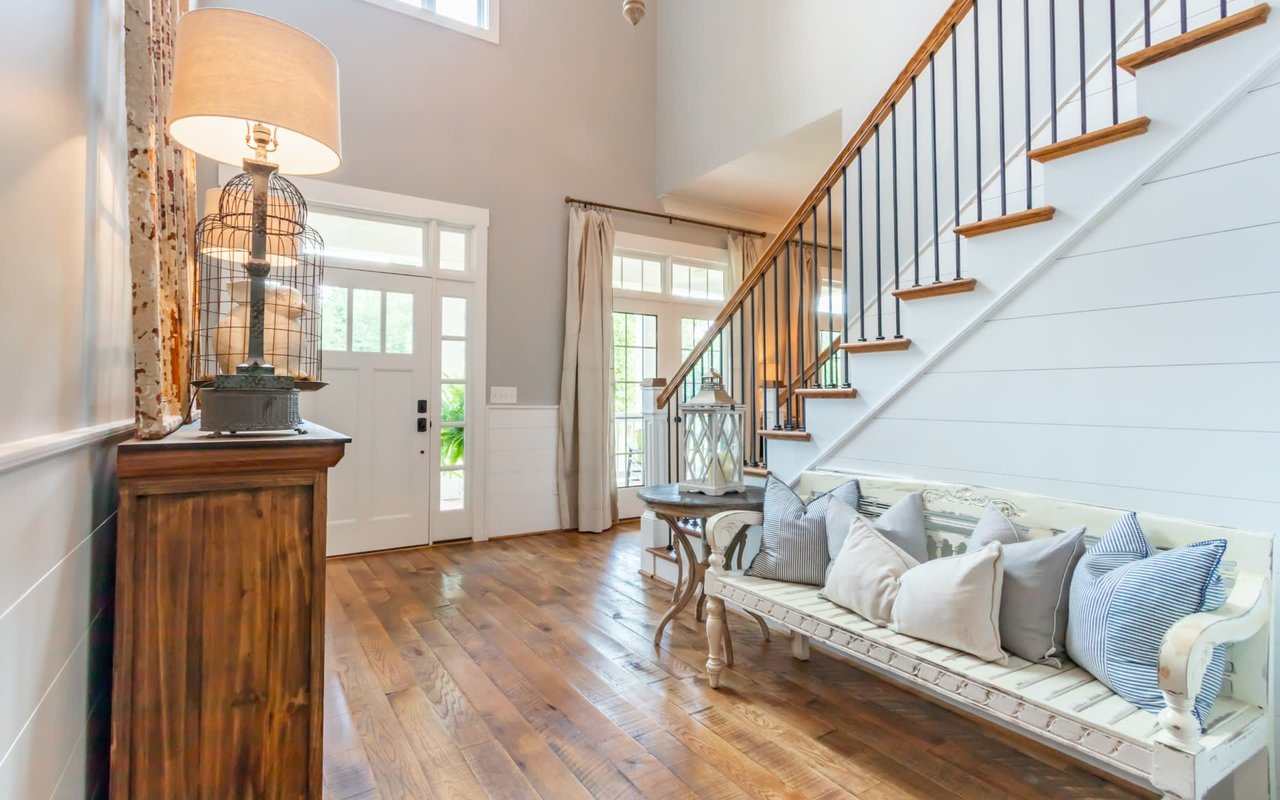
Lifestyle-focused presentation works best when it feels believable. A breakfast nook should look usable, not staged for show. A patio should feel connected to daily living spaces. An entry should reflect what arriving home feels like. When these moments are clear, buyers spend less time guessing and more time deciding if the home fits their needs.
Give Every Room a Clear Job
One of the fastest ways to help buyers picture life in a home is to make each room easy to understand. At its core, staging is simply about clarity. NAR data shows that 83% of buyers' agents say staging makes it easier for buyers to visualize a home.
Rooms don't need to be full, but they do need purpose. A spare bedroom can be an office, guest room, or workout space—but not all at once. Mixed signals create confusion. The same goes for overly personal decor. Buyers tend to respond better to neutral, broadly appealing choices that make it easier to imagine their own lives in the space.
The goal is not to remove all personality. It's to reduce distractions so the space itself becomes easier to understand.
Make Useful Features Easy to Notice
Daily life depends on practical details, and buyers notice them—even if they don't always say so. Usable storage, convenient laundry setups, good lighting, functional pantries, and well-maintained outdoor areas all shape how livable a home feels.
NAHB research shows strong buyer interest in features like garage storage, walk-in pantries, patios, exterior lighting, and energy-efficient windows and appliances. Buyers also value systems that improve long-term comfort, safety, and efficiency.
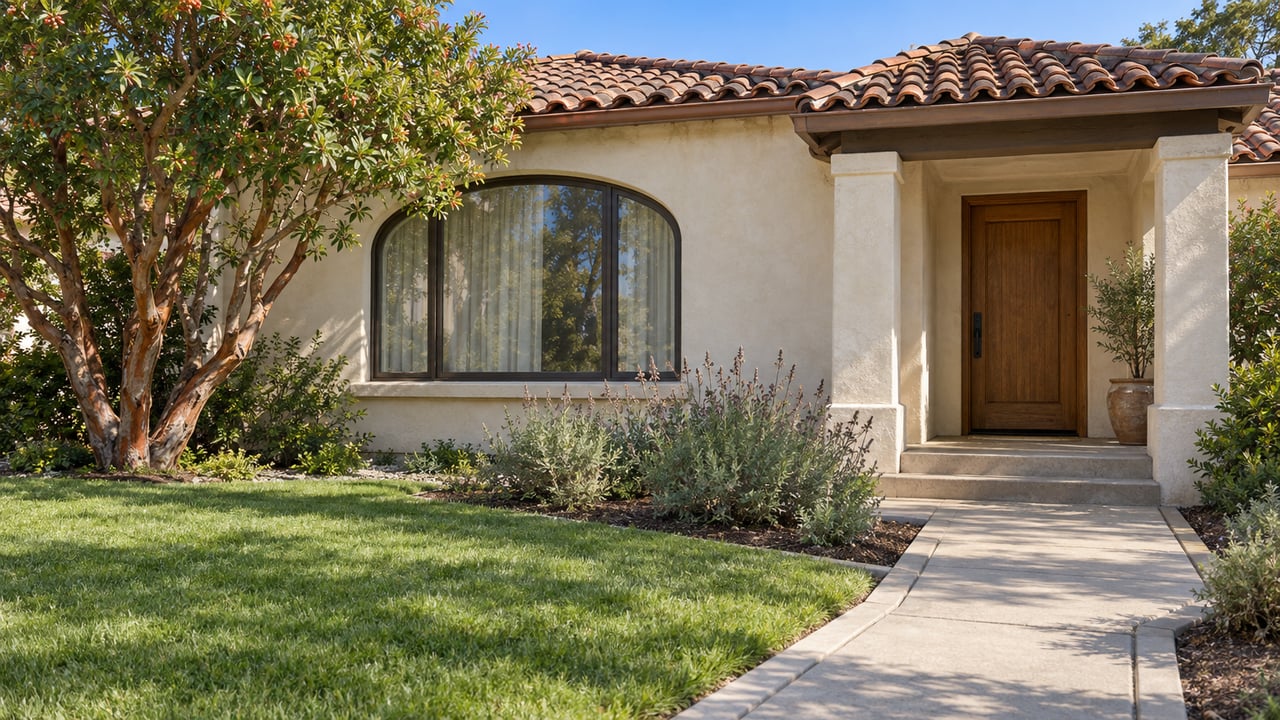
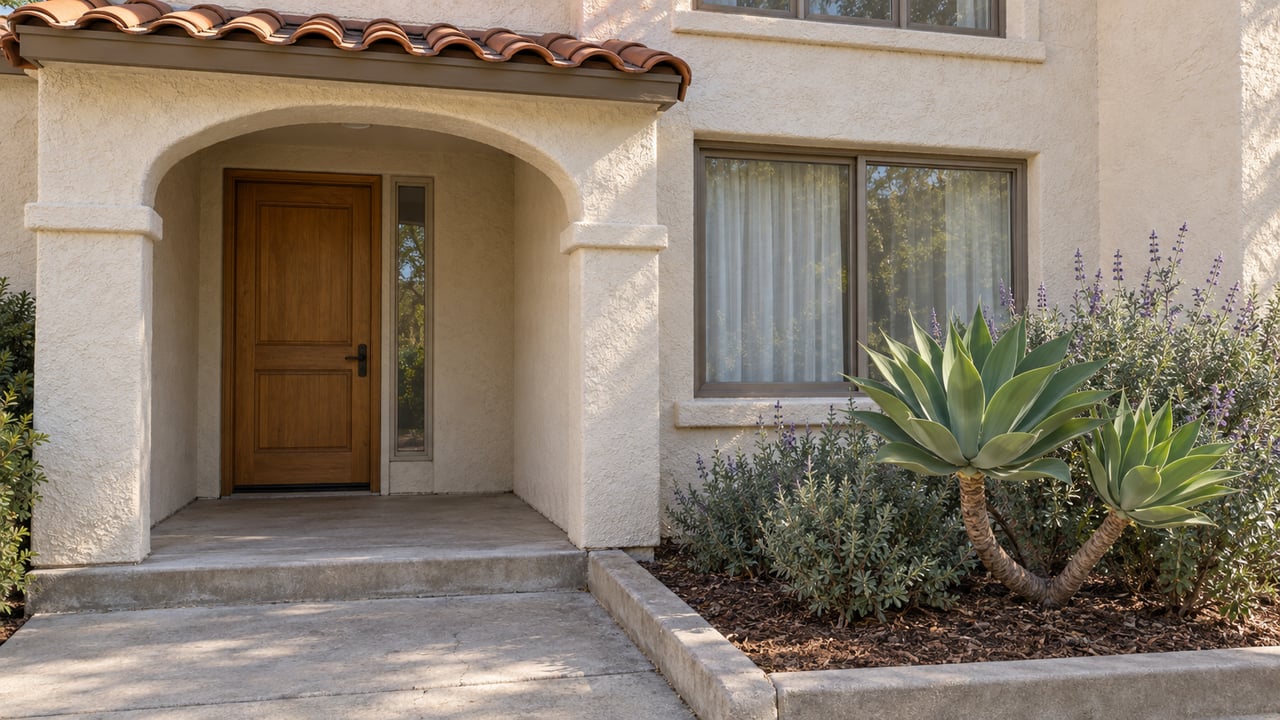
Outdoor spaces matter just as much as interiors because they set the tone before a buyer even steps inside. Research from Virginia Tech found that well-designed landscaping can increase perceived home value and attract more interest. This doesn't require a major overhaul—just a look that feels cared for and intentional.
Homes that support long-term living should highlight those features clearly. A main-level full bath, minimal steps, wider pathways, or nearby laundry can appeal to a wide range of buyers, including those planning for future needs. AARP research shows many older adults want to remain in their homes as they age, making adaptable features increasingly important.
Build an Online Experience That Feels Complete
For many buyers, the first showing happens online. That means digital presentation should match the clarity of the home itself. NAR reports that listing photos are critical, with videos and virtual tours also helping buyers connect.
Zillow adds that buyers are more likely to visit homes with floor plans they understand. Many say they've wasted time touring properties they would have skipped if the layout had been clearer upfront. Large numbers also report that 3D tours provide a better sense of space than photos alone.
The takeaway is simple: show how spaces connect. Let the most livable areas lead. Include a floor plan when possible. If the kitchen opens to the patio, make that relationship clear. If a bonus room works as an office, show that flexibility.
The goal is not to exaggerate the home, but to remove uncertainty so buyers can understand its layout and function before they arrive.
Write Descriptions That Welcome More People
Real estate writing should help buyers picture how a home works without suggesting who should live there. Fair housing laws prohibit language that implies a home is suited for—or restricted to—specific groups based on protected characteristics.
The most effective descriptions focus on features and facts: “main-level full bath,” “easy walk to transit,” “fenced backyard with patio,” or “dedicated office nook.” These phrases allow a wide range of buyers to imagine their own routines without feeling excluded.
This approach is not only compliant—it's better writing. It keeps descriptions clear, flexible, and useful. Instead of telling buyers what kind of life they should want, it gives them the information they need to decide for themselves.
Clarity Beats Performance
When buyers can clearly imagine daily life, a home doesn't need a hard sell. It needs a believable picture of how it works: where people gather, where they unwind, how the layout flows, how storage functions, and whether the home can adapt over time.
Research across staging, buyer preferences, digital tools, and accessibility points to the same conclusion. The most compelling homes aren't the ones that feel staged for show. They're the ones that feel usable, welcoming, and easy to understand.